Table of Contents
- Indoor Swimming Pools for Kids: What to Expect
- Swimming Lessons for Children in Hemel Hempstead
- Family Swimming Sessions: When and How to Book
- Swimming Pool Safety Rules for Kids
- Facilities and Amenities That Matter
- Membership vs Pay-As-You-Go: Finding Your Best Option
- Choosing the Right Pool for Your Family
- Frequently Asked Questions
Last Updated: October 1, 2026
Indoor Swimming Pools for Kids: What to Expect
When you’re searching for indoor swimming pools kids can enjoy in Hemel Hempstead, you’re looking for more than just a place to splash around. You need somewhere safe, engaging, and genuinely suited to your child’s age and ability. What’s On In Hemel Hempstead has compiled this guide to help you navigate the local leisure centres and find the right fit for your family.
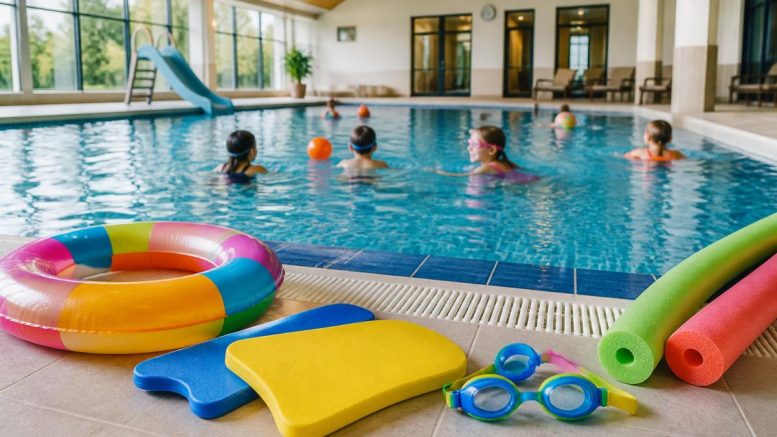
Indoor swimming pools for kids offer year-round access regardless of weather. Most leisure centres maintain water temperatures between 28-32°C for younger children, which feels warm and inviting rather than shocking. The facilities typically include shallow learner pools specifically designed for confidence building, alongside deeper pools for stronger swimmers.
The key difference between a generic pool visit and a purposeful one comes down to planning. Knowing what facilities exist, when peak hours occur, and what safety rules apply transforms the experience from chaotic to enjoyable. Many parents discover that booking during quieter times or choosing sessions specifically designed for children makes an enormous difference to how their kids progress in the water.
Swimming Lessons for Children in Hemel Hempstead
Professional swimming lessons for children are where real water confidence develops. Most leisure centres offer structured programmes starting from age 2-3, progressing through multiple levels until children can swim independently. Lessons typically run in blocks of 6-10 weeks, with qualified instructors who understand child development and building positive relationships with water.
The lesson structure matters significantly. Beginner sessions focus on water familiarisation: getting comfortable with face splashing, floating support, and basic water orientation. Intermediate levels introduce stroke technique, breathing patterns, and survival skills. Advanced sessions prepare children for competitive swimming or simply achieving strong all-round ability.
Booking lessons early in the term is essential. Popular time slots fill quickly, particularly weekend morning sessions and after-school slots during term time. Many centres now offer online booking systems through their websites, making it easier to secure your preferred time. A common mistake parents make is assuming their child will naturally progress without structured guidance, water confidence actually requires consistent instruction and positive reinforcement.
Family Swimming Sessions: When and How to Book
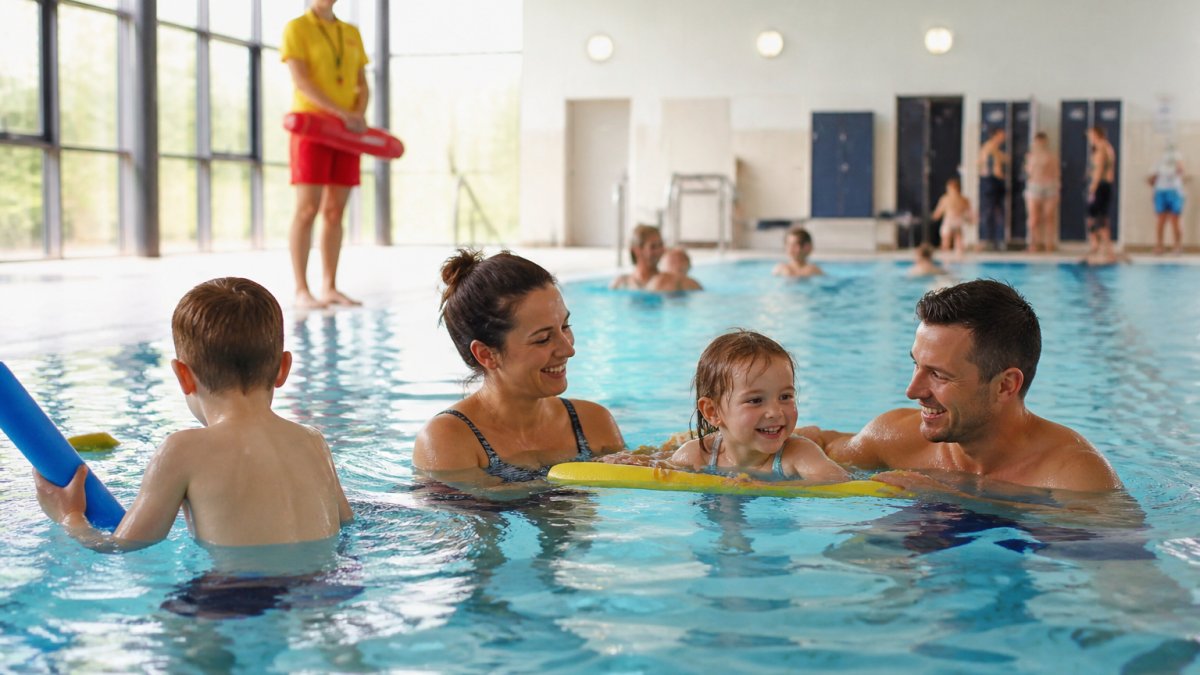
Family swimming sessions are dedicated times when pools are quieter and specifically welcoming to parents with young children. These sessions typically feature shallow water areas, splash zones for toddlers, and a more relaxed atmosphere than general swimming times. The atmosphere encourages play rather than serious training, making them ideal for younger children or those building water confidence.
Best Times to Visit: Avoiding the Crowds
Parents often overlook one of the most practical factors: when to actually go. Crowd levels directly affect your child’s experience, overcrowded pools mean longer queues for changing, reduced water quality from high bather loads, and less space for children to move freely.
Typically quiet times are:
- Weekday mornings (9am-12pm), especially Tuesday to Thursday. Schools are in session and most working parents are unavailable, making these the quietest slots.
- Weekday early afternoons (1pm-3pm), before the after-school rush begins.
- Off-season periods (September, January, February), when holiday bookings drop and routine attendance is lower.
Peak times to avoid if possible:
- Saturday mornings (9am-12pm): The busiest slot of the week. Changing facilities become congested, and water quality suffers from high bather loads.
- After school (3:30pm-5:30pm) on weekdays: School holidays and term-time after-school sessions create bottlenecks.
- School holidays (Easter, summer, Christmas): Leisure centres operate at maximum capacity during these periods.
Booking Your Session
Check the leisure centre’s website or contact them directly for current family session times; these often change seasonally. Most centres now offer online booking systems, making it easier to secure your preferred time slot in advance. Booking ahead is particularly important during school holidays or for weekend sessions, which fill quickly.
Off-peak sessions (typically weekday mornings or early afternoons) tend to offer better value and a superior experience. Many centres offer pay-as-you-go options for casual visits, though membership often provides better value if you plan regular attendance. Session lengths vary, some run 90 minutes, others two hours. Arriving 15-20 minutes early allows time for changing and getting settled without rushing.
Changing Facilities: A Hidden Factor
The changing facilities themselves matter more than many parents realise. Look for centres with family changing rooms rather than separate male and female facilities, which simplifies the process with young children. Quality facilities include:
- Dedicated family cubicles with lockable doors
- Baby-changing tables in the family area (not just in female changing rooms)
- Adequate seating and hooks for belongings
- Warm, well-ventilated spaces (cold, damp changing rooms create miserable post-swim experiences)
- Accessible facilities for children with additional needs
A centre with poor changing facilities can turn an otherwise enjoyable swim into a stressful experience, particularly with very young children or multiple siblings.
Swimming Pool Safety Rules for Kids
Swimming pool safety rules for kids exist to protect everyone in the water. Every leisure centre enforces basic standards: lifeguard supervision during all sessions, restricted diving areas, and depth markings. Understanding these rules before you arrive means your child can focus on enjoying the water rather than learning rules on the spot.
Common safety requirements include:
- Constant adult supervision (not just lifeguard presence, parents must actively watch children)
- Age-appropriate flotation aids only (inflatable armbands, not rings or mats)
- No running on pool decks
- Toilet breaks taken before entering the pool
- Restricted access to deep water for non-swimmers
- Clear signage indicating pool depth and temperature
A critical distinction: lifeguards prevent drowning but cannot replace parental supervision. Your role is to watch your child actively, know their swimming ability honestly, and enforce behaviour rules. Water confidence doesn’t mean water safety, even strong swimmers need supervision and clear boundaries.
Most centres require children under a certain age to wear appropriate flotation aids. These must meet British Standards (BS EN 13138) for safety. Inflatable armbands work well for learners, though some instructors prefer kickboards or pull-buoys during lessons as they encourage better technique. Avoid inflatable rings or mats, which can flip unexpectedly.
Facilities and Amenities That Matter
The facilities surrounding the actual pool significantly impact your experience and your child’s enjoyment. Beyond the water itself, consider changing facilities, lockers, shower access, spectator areas, and, critically, the ‘fun factor’ features that make pools genuinely appealing to children.
Fun Features: What Actually Engages Children
Parents often search for indoor swimming pools kids will enjoy with specific attractions, yet most results treat all pools as identical. They’re not. Pools vary dramatically in their appeal to different age groups based on the features they offer.
Splash Zones and Toddler Play Areas (Ages 2-5)
These shallow, interactive water features appeal to younger children who aren’t ready for traditional pools. Splash zones typically include:
- Shallow water (15-30cm depth)
- Water jets and fountains
- Floating toys and interactive elements
- Soft play features integrated with water
- Dedicated supervision and lower child-to-staff ratios
These are essential if you have toddlers or very young swimmers. Not all leisure centres offer them; check facility listings specifically for ‘splash zone’ or ‘toddler pool’ availability.
Water Slides (Ages 5+)
Water slides are a major draw for school-age children. They add excitement and encourage water confidence through play. Slides vary in height, speed, and age suitability. Some centres offer multiple slides of varying difficulty; others have none. If slides are important to your family, verify their availability and age/height restrictions before visiting.
Wave Machines and Lazy Rivers (Ages 4+)
Some larger leisure centres feature wave pools or lazy river channels.
Essential Changing and Hygiene Facilities
Beyond fun features, practical amenities directly affect your experience:
- Lockers: Secure, various sizes, with reliable locking mechanisms
- Hairdryers: Essential for post-swim comfort, particularly in winter
- Grab rails and non-slip surfaces: Critical for child safety on wet surfaces
- Accessible facilities: For children with additional needs or mobility requirements
- Vending machines or café facilities: Useful for post-swim snacks or drinks
- Parking availability: Particularly important if visiting during busy times
Temperature and Water Quality
Gym and Fitness Integration
Membership vs Pay-As-You-Go: Finding Your Best Option
The choice between membership and pay-as-you-go depends on your intended frequency and the centre’s pricing structure. Memberships typically offer better value if you plan visits more than twice monthly. Pay-as-you-go suits families testing whether regular swimming fits their routine or visiting occasionally.
Membership advantages include:
- Lower per-visit cost
- Priority booking for popular sessions
- Discounts on lessons
- Access to gym facilities (often included)
- Flexibility, no long-term contracts at most centres
Pay-as-you-go advantages include:
- No commitment
- Flexibility to change centres
- No wasted fees during busy periods
- Lower barrier to trying a new facility
Choosing the Right Pool for Your Family
The right pool for your family depends on your child’s age, swimming ability, and your priorities. A centre excellent for toddlers might not suit a confident 8-year-old swimmer. Consider these factors when evaluating options.
Frequently Asked Questions
What should I look for when choosing an indoor swimming pool for my child?
Look for pools with learner pools designed for younger children, lifeguard supervision, and clear water temperature control. Check whether the facility offers changing facilities suitable for families, spectator areas where non-swimmers can wait, and staff trained in water confidence techniques. Verify opening hours match your schedule and ask about peak times versus quieter sessions, which are often better for beginners.
How do swimming lessons for children typically work?
Most leisure centres offer group lessons organised by age and ability level, from parent-and-toddler sessions to junior coaching programmes. Lessons usually run in blocks of 4-10 weeks and focus on water confidence, basic strokes, and water safety. Instructors are qualified and follow recognised teaching frameworks. Ask about class sizes, instructor qualifications, and whether progression pathways exist to move your child to more advanced levels.
Are family swimming sessions different from regular pool times?
Yes. Family swimming sessions are dedicated times when pools are quieter and designed specifically for families with young children. They often feature shallower learner pools, splash zones, and reduced numbers to create a safer, less intimidating environment. These sessions are ideal for building water confidence in younger children and typically occur during off-peak hours or weekends.
What swimming pool safety rules for kids should I know?
Key rules include constant adult supervision (within arm’s reach for very young children), mandatory swimming ability assessment before pool access, and adherence to changing facility protocols. Most pools require children to use appropriate changing areas and enforce rules about running, diving in shallow areas, and food near poolside. Always check specific facility guidelines, as rules vary by leisure centre. Lifeguard presence is standard, but your responsibility as a parent remains paramount.