Table of Contents
- Why Train Beats Car for Day Trips From London
- Best Train Day Trips From London: 12 Destinations Worth the Ride
- Day Trips From London by Train Duration: How Far Can You Get?
- How to Plan a Day Trip From London: Step-by-Step
- Day Trips From London for Families: What Works Best
- Budget-Friendly Day Trips and Free Attractions
- Accessible Day Trips: Step-Free Routes and Mobility Tips
- Sustainable Day Trips: Low-Carbon Travel and Eco-Conscious Choices
- Frequently Asked Questions
Last Updated: September 13, 2026
Why Train Beats Car for Day Trips From London
A day trips from London guide that ignores the train is missing the point. Driving means congestion charges, pricey parking and hours lost to traffic, rail solves all three.
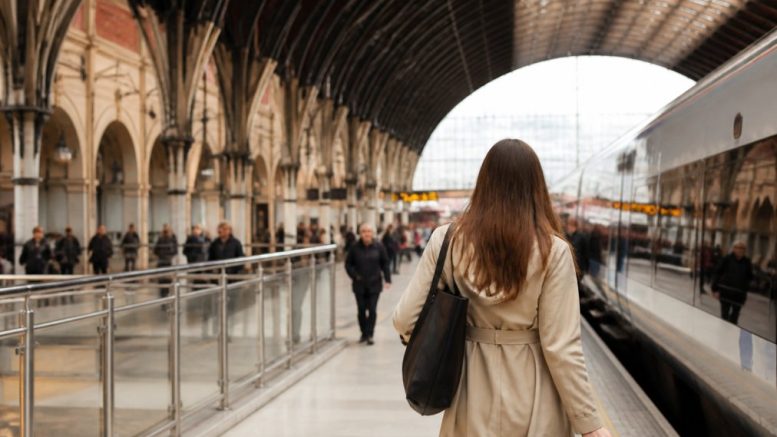
Trains from the capital reach cathedral cities, coastal towns and medieval castles in under two hours, and you can read while someone else handles the route.
The case for rail rests on three practical advantages:
- Speed: High-speed rail covers long distances far quicker than road travel
- Cost: Off-peak tickets undercut fuel, parking and congestion charges combined
- Reliability: Trains avoid roadworks and traffic jams
Best Train Day Trips From London: 12 Destinations Worth the Ride
The best train day trips from London range from 30-minute hops to two-hour journeys, covering castles, coastlines, cathedral cities and historic university towns. Each entry names the station and operator.
Historic Castles and Palaces
Windsor, around 40 minutes from London Waterloo (South Western Railway) or about 30 minutes from Paddington via Slough. Windsor Castle is the headline act, but the Long Walk, the Thames path and Eton’s High Street fill a full day. Book castle tickets in advance.
Hampton Court Palace, roughly 35 minutes from Waterloo to Hampton Court station, a short walk across the bridge. The Tudor kitchens, the maze and the formal gardens justify a full day; add a towpath walk towards Kingston if time allows.
Hever Castle, around 50 minutes from London Bridge to Hever, then a 15-minute walk. Anne Boleyn’s childhood home is smaller than Windsor but the gardens and water maze suit families. Trains are infrequent, so check the return timetable.
University Towns and Medieval Architecture
Oxford, about an hour from Paddington (Great Western Railway) or around 80 minutes from Marylebone (Chiltern). The Bodleian Library, Christ Church Meadow and the covered market anchor a walking day.
Cambridge, roughly 50 minutes from King’s Cross (Great Northern) or about 80 minutes from Liverpool Street (Greater Anglia). Punts on the Cam, the Fitzwilliam Museum and King’s College Chapel are the core stops.
Canterbury, around an hour from St Pancras on Southeastern high-speed services. The cathedral, the medieval city walls and the Canterbury Tales attraction suit a full day. High-speed fares are higher than the slower route via London Bridge.
Coastal Escapes and Seaside Towns
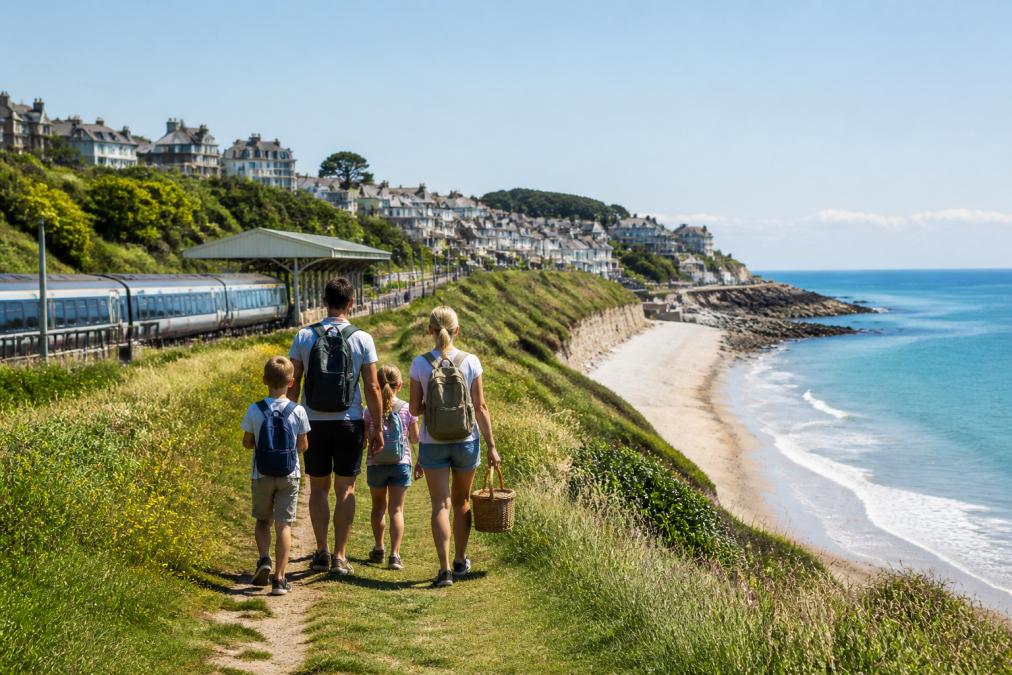
Brighton, roughly an hour from Victoria (Gatwick Express and Southern) or about 75 minutes from London Bridge. The pier, the Lanes and the seafront work in any weather. It’s the busiest coastal option, so travel off-peak midweek.
Whitstable, about 80 minutes from Victoria via Faversham or from St Pancras on high-speed. The oyster fisheries, the shingle beach and the harbour street are the draw, smaller and quieter than Brighton.
Margate, roughly 90 minutes from St Pancras on Southeastern high-speed. The Turner Contemporary gallery, the sandy beach and the Old Town make it a strong art-and-coast combination. The slower route via Victoria is cheaper but adds around 40 minutes.
Rye, about 70 minutes from St Pancras on high-speed to Ashford, then a short connection. Cobbled streets, the medieval Mermaid Inn and Rye Harbour Nature Reserve reward a slower pace. Trains are limited; check connections.
Hidden Gems and Off-the-Beaten-Path Locations
St Albans, around 20 minutes from St Pancras (Thameslink) or 30 minutes from Euston. The cathedral, the Roman Verulamium ruins and the oldest pub in the country (Ye Olde Fighting Cocks) fit a half-day.
Lewes, about an hour from Victoria. The Norman castle, the Harvey’s brewery and the South Downs walks make it a strong alternative to Brighton for a smaller town with real character. Combine with a walk to Rodmell if you have energy left.
| Destination | Travel Time | Best For | Departure Station |
|---|---|---|---|
| Windsor | 40 min | Castles, royal history | Waterloo / Paddington |
| Hampton Court | 35 min | Tudor palace, gardens | Waterloo |
| Hever Castle | 50 min | Anne Boleyn, family gardens | London Bridge |
| Oxford | 60 min | University town, walking tours | Paddington / Marylebone |
| Cambridge | 50 min | Medieval architecture, punting | King’s Cross / Liverpool Street |
| Canterbury | 60 min | Cathedral, heritage site | St Pancras |
| Brighton | 60 min | Seaside, pier, shopping | Victoria / London Bridge |
| Whitstable | 80 min | Oysters, quiet coast | Victoria / St Pancras |
| Margate | 90 min | Beach, art gallery | St Pancras |
| Rye | 70 min | Medieval streets, nature reserve | St Pancras |
| St Albans | 20 min | Roman ruins, cathedral | St Pancras / Euston |
| Lewes | 60 min | Castle, South Downs walks | Victoria |
For any destination on this list, the cheapest fares usually come from booking an Advance Single on the specific operator’s website rather than a walk-up ticket at the station. Split ticketing, buying separate tickets for legs of the same journey, can reduce the price further on routes like London to Brighton or London to Canterbury.
Day Trips From London by Train Duration: How Far Can You Get?
Day trips from London by train duration depends on your departure station and route. Most popular destinations fall within 30 to 90 minutes, with the furthest reaching about two hours.
A useful rule: every 30 minutes of travel time roughly doubles your options. Staying within an hour keeps you in the commuter belt; two hours opens up the coastline and the furthest cathedral cities.
Check National Rail journey planner for live travel times before you commit. Timetables shift on weekends and bank holidays, so verify your specific date rather than trusting a generic estimate.
How to Plan a Day Trip From London: Step-by-Step
Planning a day trip from London comes down to five steps: pick a destination, book off-peak, check the weather, pack light and build in a buffer for delays.
- Choose your destination based on travel time and interest. Under an hour keeps you in the commuter belt; 90 minutes to two hours opens up the coast and the furthest cathedral cities.
- Book off-peak tickets in advance for the best fares. Advance Singles are usually cheapest when bought on the specific operator’s website.
- Plan your itinerary around one or two main attractions, not five. Travel time eats into the day more than most people expect.
- Check for engineering works on your chosen line before you book. Weekend closures are common and can add a replacement bus leg.
- Build in a return buffer of at least an hour. The last train back is often earlier than you think, especially on Sundays.
Booking Off-Peak Tickets and Avoiding Peak Fares
Off-peak tickets are the single biggest saving in rail travel. Peak fares apply during weekday rush hours, so travelling after the morning peak or on weekends cuts costs significantly. The off-peak window varies by operator and route, so check the specific journey.
Advance Single tickets, booked ahead, often cost less than a walk-up return, but they tie you to a specific train. If plans might shift, a flexible off-peak return is worth the premium.
Split ticketing, where you buy separate tickets for legs of the same journey, can reduce the price further on certain routes, a London-to-Brighton journey split at a midpoint station sometimes costs less than a through ticket. The trade-off: if you miss the connection, your second ticket may not be valid, so only split with a comfortable connection time.
Railcards, such as the 16-25, 26-30, Two Together or Family & Friends, cut a third off most fares for a fixed annual fee. If you’ll make more than a handful of trips a year, the card usually pays for itself within two or three journeys.
What to Pack and How to Handle Disruptions
Pack light: a small bag, a charged phone and a refillable water bottle cover most day excursions. Keep your ticket on your phone and screenshot it in case signal drops.
For disruptions, National Rail’s live disruption updates show delays and cancellations in real time. If a train is cancelled, staff can usually reroute you, and your ticket often remains valid on alternative services operated by the same company. Real-time transit awareness turns a potential disaster into a minor detour.
Rail strikes are the biggest wildcard. Industrial action is usually announced days or weeks in advance, and operators publish reduced timetables on strike days. If a strike is called, travel on a non-strike day, use a replacement bus, or switch to a coach operator such as National Express or Megabus. A flexible ticket rather than an Advance Single lets you move your journey.
Screenshot your ticket and your return times before you lose signal. Station Wi-Fi is unreliable, and a saved screenshot has rescued more day-trippers than any app. Also save the operator’s Twitter/X feed, it often updates faster than the station departure board.
Engineering works are most common on weekends and bank holidays. Always check the National Rail journey planner for your specific date before booking a non-refundable Advance ticket. A replacement bus can add 30 to 60 minutes to a journey that looks quick on a map.
Accessible Planning: Step-Free Routes and Assistance
Accessible day trips from London are easier than many travellers expect, provided you check step-free access before booking. Most major stations now offer lifts and level boarding on newer trains, but older rolling stock and rural stations often do not.
Before travelling, confirm three things: step-free access at both your departure station and destination, assistance booking if you need it, and accessible facilities at your chosen attractions. National Rail’s accessibility information lists step-free stations and how to arrange passenger assistance.
Booking assistance in advance, usually a few hours ahead, ensures staff meet you at the platform. Many heritage sites and museums offer accessible routes and loan wheelchairs, so check ahead rather than assuming.
Sustainable Planning: Low-Carbon Travel and Eco-Conscious Choices
Sustainable day trips start with the train, which produces far fewer emissions per passenger than a car on the same route, the single most effective low-carbon decision a day-tripper can make. Reusable bottles and cups, avoiding single-use plastics, and supporting local businesses all help, while walking tours and public transport within your destination keep your footprint low. Smaller destinations such as Lewes, Rye and St Albans benefit most from visitor spend, so choosing them over the busiest honeypots spreads the benefit.
A well-planned day trip is mostly about three things: the right ticket type, a realistic itinerary and a disruption plan. Get those right and the destination almost takes care of itself.
Day Trips From London for Families: What Works Best
Family day trips from London work best when travel time stays under an hour and the destination offers something for every age. Brighton’s beach and pier keep children occupied for hours, Windsor pairs the castle with riverside walks, and Oxford’s colleges and museums suit older children. Look for destinations with toilets, cafes and short walks between attractions, and pack a lunch to avoid the scramble for a table at peak lunchtime.
Avoid booking a destination more than 90 minutes away with young children. A long return journey after a full day out is the most common reason family trips turn stressful.
Budget-Friendly Day Trips and Free Attractions
Budget-friendly day trips from London are entirely achievable, because many of the best attractions cost nothing. A day-trip budget breaks into three parts: the ticket, food and paid attractions. Booking off-peak handles the first, taking your own lunch handles the second, and choosing free attractions handles the third. Many major museums and galleries charge no entry fee, and cathedral towns offer free walking routes, so you can fill a full itinerary without spending beyond the train fare and a coffee.
Accessible Day Trips: Step-Free Routes and Mobility Tips
Before travelling, confirm three things: step-free access at both your departure station and destination, assistance booking if you need it, and accessible facilities at your chosen attractions. National Rail’s accessibility information lists step-free stations and how to arrange passenger assistance.
Booking assistance in advance, usually a few hours ahead, ensures staff meet you at the platform. Many heritage sites and museums offer accessible routes and loan wheelchairs, so check ahead rather than assuming.
Sustainable Day Trips: Low-Carbon Travel and Eco-Conscious Choices
Frequently Asked Questions
What is the best day trip I can take from London by train?
It depends on what you want. For history, Windsor and Hampton Court are hard to beat, both under an hour from London Waterloo. For coastal air, Brighton takes about an hour from Victoria. For university towns, Oxford and Cambridge are roughly 60 to 90 minutes. The best day trips from London balance short travel time with enough to fill a full day, so aim for destinations under 90 minutes each way.
What are some day trips from London within one hour?
Windsor (about 30 minutes from Waterloo), Hampton Court (35 minutes), St Albans (20 minutes from St Pancras), and Brighton (around 60 minutes from Victoria) all sit within the one-hour window. These work well if you want maximum time at the destination and minimum time on the train. Book off-peak tickets in advance to keep costs down, and check for engineering works before you travel.
How do I plan a stress-free day trip from London?
Start by picking a destination under 90 minutes away. Book off-peak return tickets in advance, and check National Rail Enquiries for disruptions the night before and again on the morning. Aim to arrive by 10am and leave after 6pm to avoid peak crowding. Pack light, charge your phone, and have a backup plan in case of cancellations. A little planning makes the whole day smoother.
Are there any recommended day trips from London for families?
Yes. Choose destinations with short train rides, step-free access, and plenty of places to eat. Avoid itineraries that require multiple changes with young children. Off-peak travel is cheaper and less crowded, and many family attractions offer discounted tickets if you book online in advance.
Which day trips from London are most accessible by train?
Windsor, Oxford, Brighton, and Cambridge all have step-free access at the station and throughout the main attractions. Check National Rail’s accessibility map before you travel, and book assistance through your train operator at least 24 hours ahead if you need ramp access or help boarding. Many heritage sites also offer mobility scooters or wheelchairs on loan, so ring ahead to reserve one.
What should I do if my train is cancelled or delayed?
Check National Rail Enquiries or your operator’s app for live updates. If your train is cancelled, you can usually take the next available service on the same route. Keep your ticket, as you may be entitled to compensation under Delay Repay if you arrive 15 minutes or more late. Have a backup destination in mind, and consider travel insurance for bigger trips. Flexibility is key.
Planning a day trip from London shouldn’t mean juggling ten browser tabs and second-guessing whether the information is current. What’s On In Hemel Hempstead brings local events, attractions, dining and accommodation into one place, so you can build an itinerary around what’s actually happening. Our platform covers everything from sports and fitness to wildlife parks, with listings kept current and local news and weather in one spot. Contact us to start planning your next day out.